Soft washing starts with the Yakima surface and residue
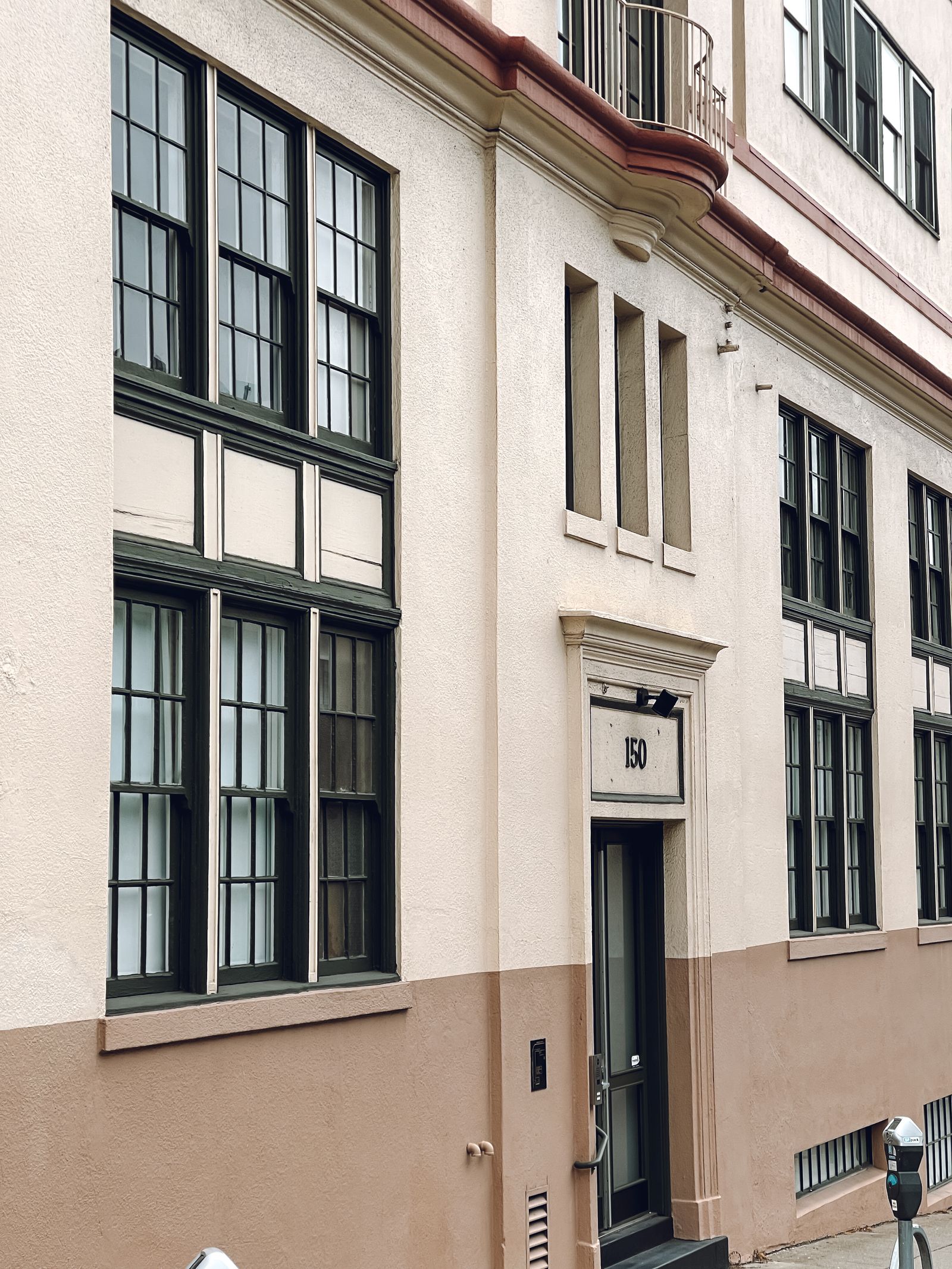
Soft washing generally uses compatible treatment, dwell time, and controlled rinsing rather than impact force as the primary cleaning action. It may fit tested brick, block, stucco, EIFS, painted concrete, precast, and other surfaces carrying pollen, algae, mildew, dust, smoke film, or traffic soil. Lower pressure can reduce some mechanical stress, but chemical strength, dwell time, heat, wind, overspray, landscaping, and water entering failed joints still require control. A test area is useful where newer metal panels meet older masonry, painted repairs, decorative brick, or a high food, healthcare, hospitality, or tenant appearance standard.
A commercial facade is a collection of zones, not one material. A painted wall, glass frame, powder-coated panel, stone sill, canopy, sign, and loading-door surround may need different treatment or a different finish expectation. Define the outcome first: a post-harvest reset, smoke-film reduction, routine dust maintenance, inspection preparation, or a customer-entry improvement. The scope should say what should improve, what may remain, and what requires specialty restoration or repair.
Pressure washing belongs on selected durable areas
Pressure washing can be useful on selected concrete approaches, loading yards, parking decks, curbs, service lanes, and other durable hardscape where force, distance, flow, drainage, and nearby activity have been reviewed. It is not a universal method for a whole building. Excessive force can strip paint, damage stucco, erode softer masonry, etch stone, disturb mortar, break trim, open a joint, or drive water behind a coating. On Yakima sites, high force can also move orchard dust, grit, fertilizer-associated soil, smoke residue, or dirty snowmelt into planting beds, doors, drains, and lower facade details.
A warehouse near an agricultural road may have different lower-wall soil from an office near Yakima Avenue. A hotel entrance may need a quieter and more precise method than a concrete service yard. Ask why pressure is proposed for each zone, how the substrate tolerates it, how people and finishes will be protected, where runoff goes, and how the dry result will be checked. A mixed-method scope is usually more honest than one pressure setting applied everywhere.
Agriculture and food processing change the comparison
Packing houses, processors, cold storage, farm-supply facilities, and distribution buildings may have production windows, sanitation rules, truck traffic, restricted areas, and surfaces exposed to dust or organic material. The method decision should account for doors, air intakes, employee routes, product protection, drains, and the facility's own environmental and food-safety procedures. A high-pressure approach that moves soil or water into a restricted area can create more operational risk than a slower, phased plan.
Soft washing may fit selected vertical facade zones carrying atmospheric film, while pressure washing may fit a durable loading surface after drainage and traffic controls are established. Neither method is automatically appropriate for every sanitation need, and exterior washing does not replace a facility's regulated cleaning program. The quote should define the exterior scope, control requirements, schedule, responsible contact, and closeout inspection separately from production or sanitation procedures.
Dry heat, smoke, dust, and snow affect results
High summer surface temperatures can shorten dwell time, accelerate drying, stress plants, and create uneven appearance if sections are not sequenced. Dry valley winds can move dust and spray across a parking lot or neighboring tenant. Smoke film may remain after loose soil is rinsed and can require testing or contact work. A later wind event or agricultural activity can create new soil soon after cleaning, so a proposal should describe the present condition and maintenance objective instead of claiming a permanent result.
Winter adds freezing nights, snow, grit, deicing residue, and dirty meltwater at ramps, sidewalks, curbs, and lower walls. Compare methods by surface temperature, overnight lows, traction, drying time, drainage, and the time available for a dry inspection. A work window that is technically possible may still be a poor operational choice if customers, patients, students, employees, or trucks cross a wet route before it is safe.
Compare aerial assistance with ground access
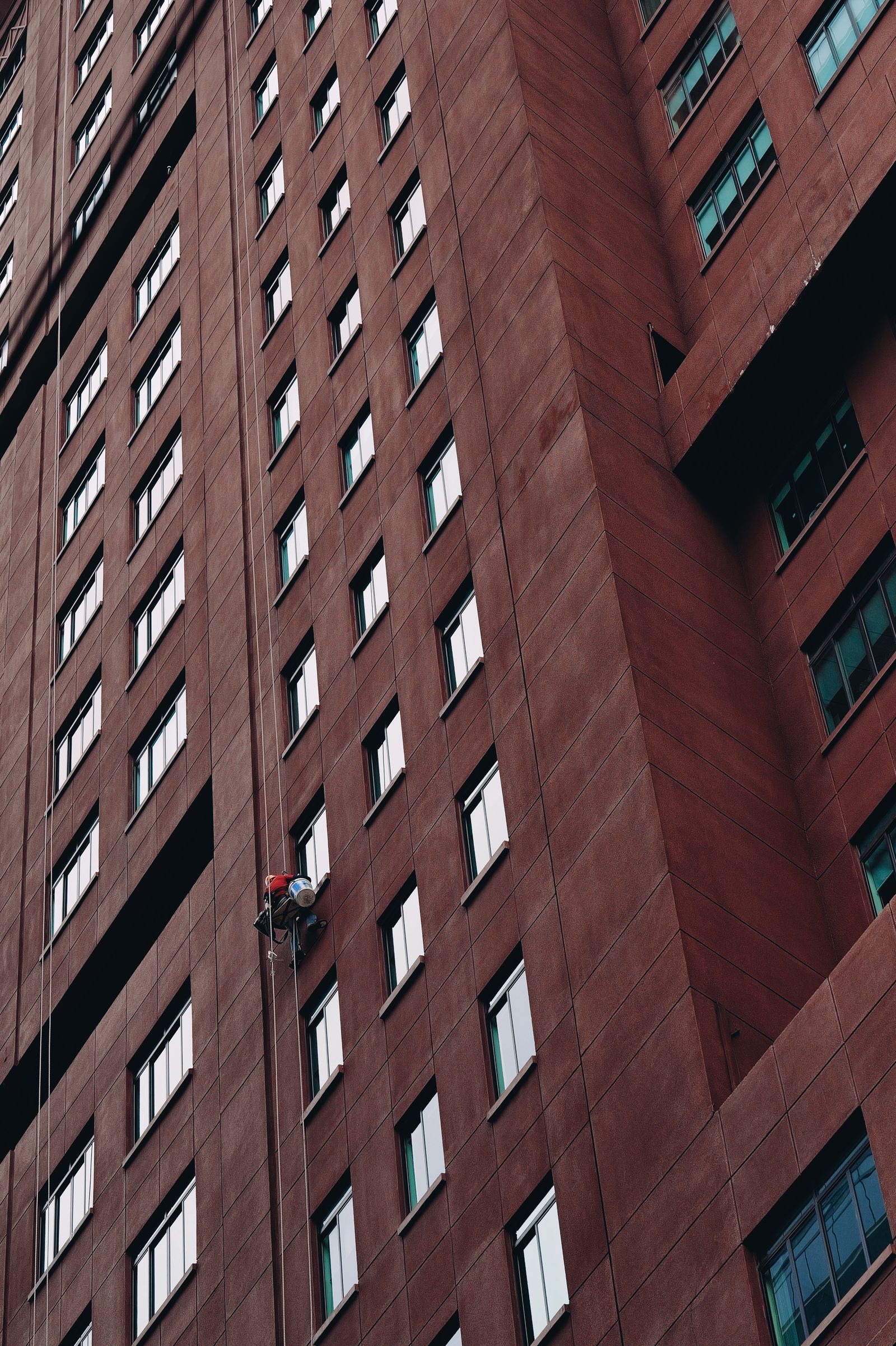
Drone-assisted application or rinsing may support broad upper walls when wind, temperature, stand-off distance, line of sight, launch space, water access, and public separation are workable. It may reduce some lift staging but cannot replace every contact detail. Frames, ledges, awnings, signs, balconies, bonded residue, sensitive equipment, and close-finish areas may still require a pole, lift, roof access, or hand work. Compare the proposed result by elevation rather than comparing equipment labels alone.
Yakima Air Terminal, agricultural aviation, medical helicopter activity, utilities, public events, trees, wires, neighboring buildings, and temporary restrictions may affect aerial feasibility. Commercial drone work must follow applicable FAA requirements and any authorization needed for the address and time. A credible comparison includes spotters, public separation, communications, emergency stop procedures, water controls, weather limits, and a backup method. A hybrid plan can be the right answer when broad upper walls and detailed entries have different needs.
Water and drainage belong in the method decision
Both methods move water and removed soil, so compare products, rinse volume, slope, irrigation, catch basins, planting beds, doors, air intakes, public routes, vehicles, loading areas, and adjacent tenants. A storm drain is not automatic permission to discharge wash water. Depending on the residue, chemistry, volume, drainage, surface temperature, and site rules, controls may include diversion, collection, recovery, reduced rinse volume, filtration, plant protection, or coordination with the responsible authority.
Ask each bidder to state water-management assumptions and the stop condition if runoff changes direction. Irrigation, snowmelt, a sloped parking deck, or a sudden wind shift can change the site after staging. Closeout should identify cleaned elevations, remaining deposits, deferred repairs, controls used, and weather or access changes. That record helps the facilities team decide whether the next visit should repeat the method, change methods, or use specialty restoration.
Use a Yakima quote to compare outcomes, not labels
Ask each bidder to identify materials, visible conditions, proposed method by zone, access equipment, water assumptions, temperature and weather limits, occupied-site controls, expected finish, exclusions, and closeout documents. Compare facade washing separately from glass detailing, hard-water or smoke residue, oxidation, canopy work, construction film, coating work, and repairs. If drone assistance is proposed, ask where it is feasible, which conditions are required, and what alternate method applies if wind, cold, airspace, public activity, or finish requirements change.
Send the Yakima address, photographs, approximate height, materials, priority elevations, desired finish, preferred work windows, production or tenant constraints, security requirements, landscaping and irrigation, drainage, snow storage, water access, and known repairs. Drone Building Cleaners can help determine whether soft washing, pressure washing, contact work, aerial assistance, a lift, or a hybrid scope fits. Call +1 239-351-2897, email contact@dronebuildingcleaners.com, or request a quote to get in touch.